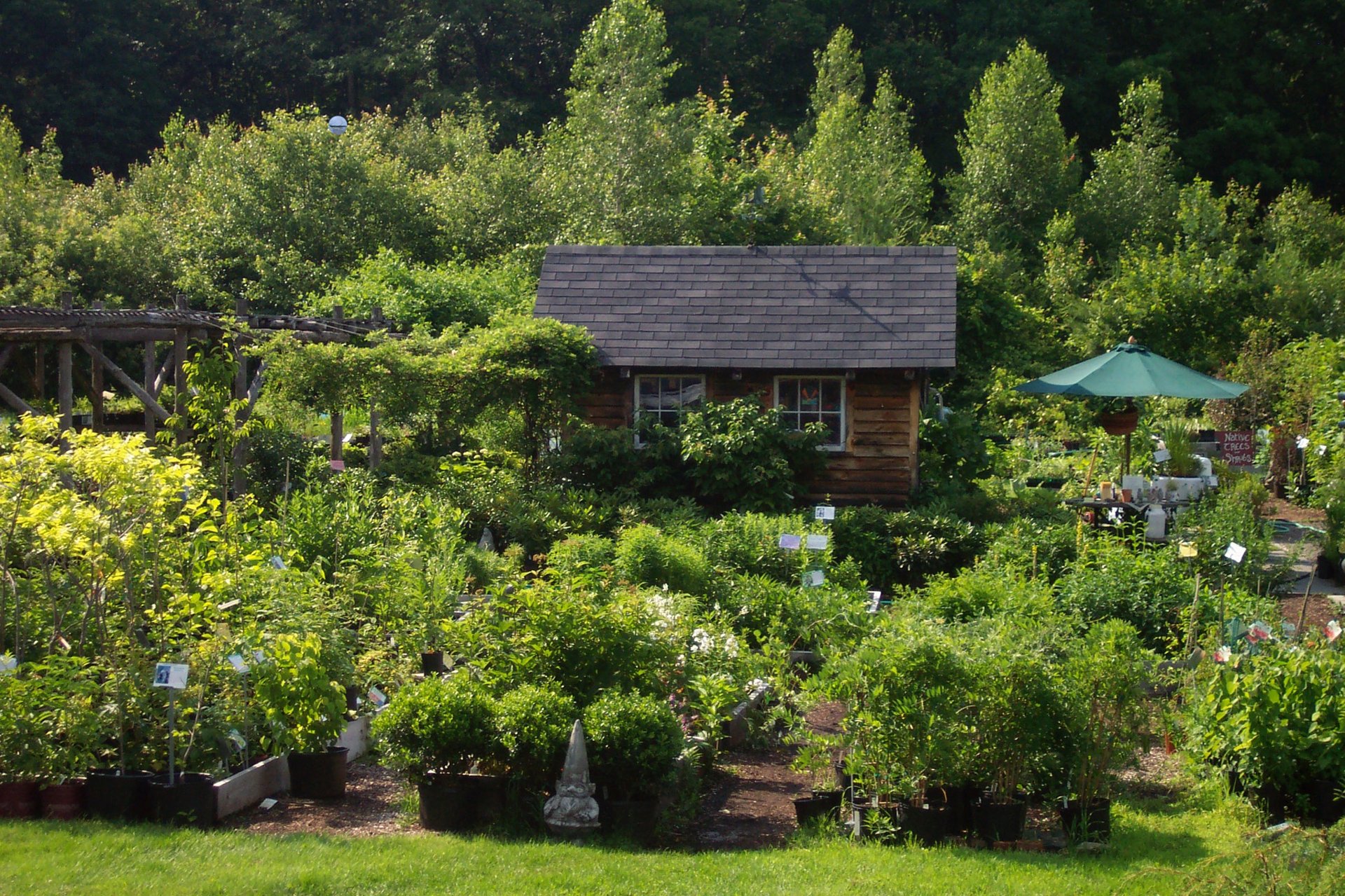
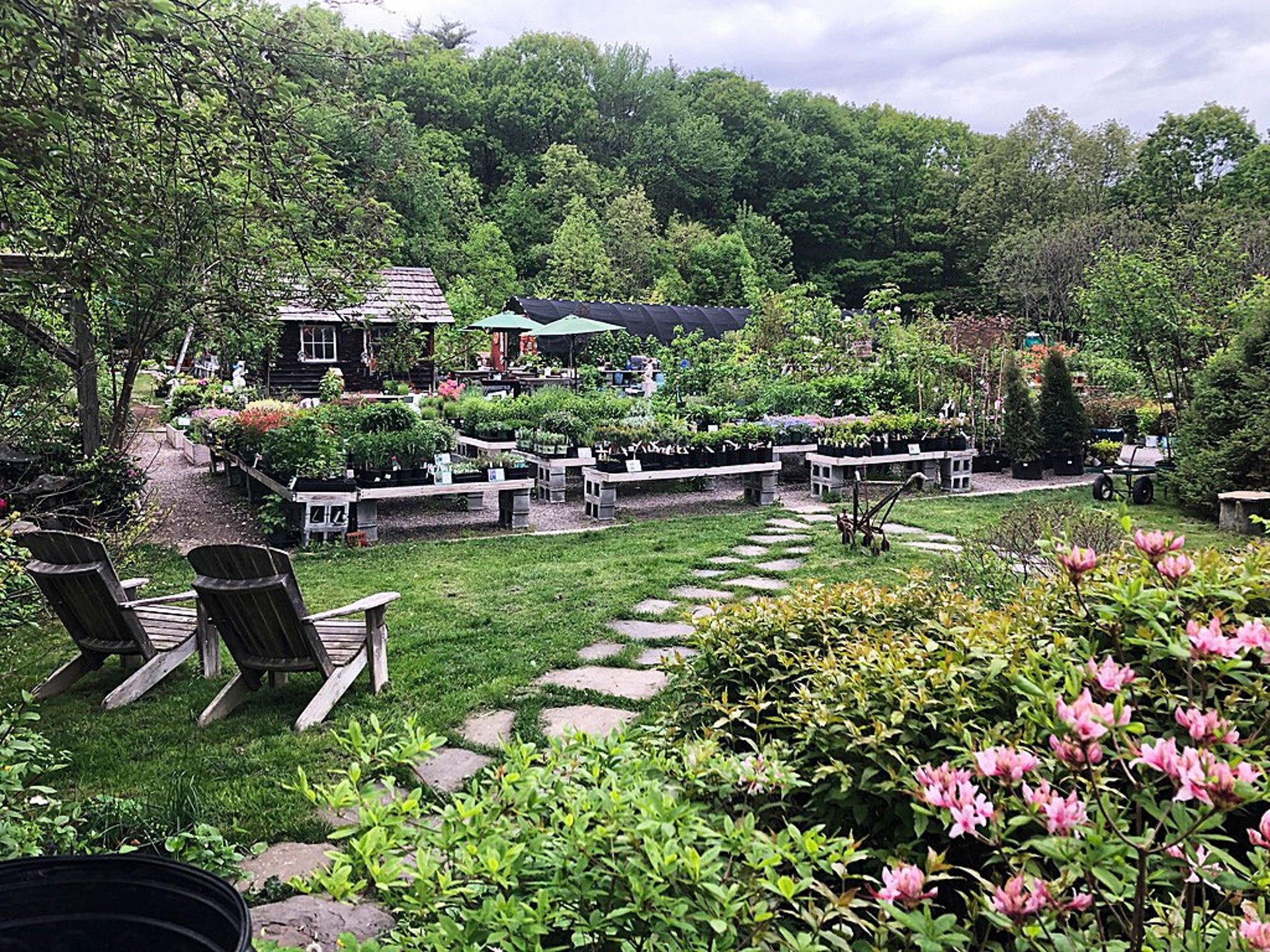
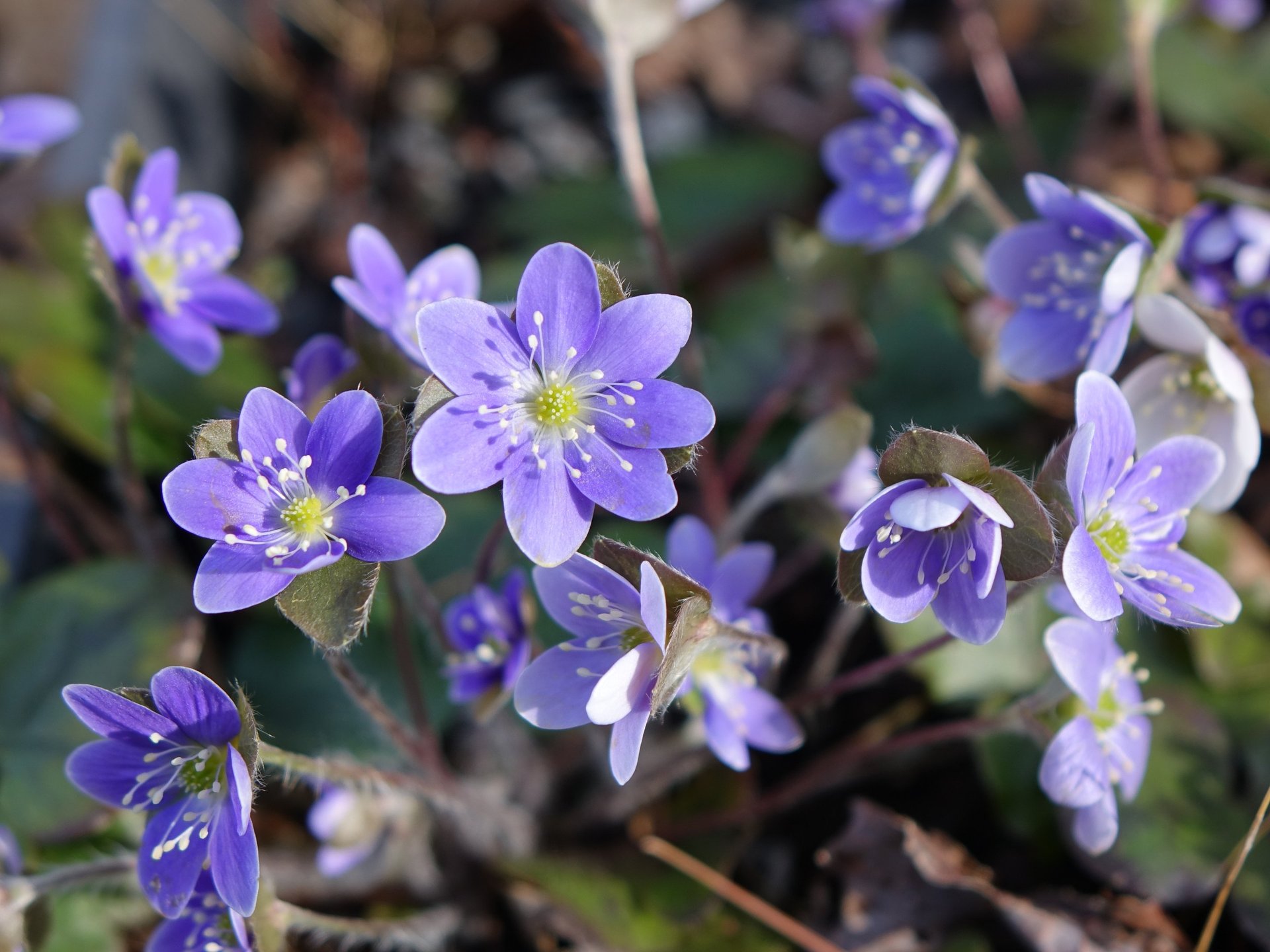
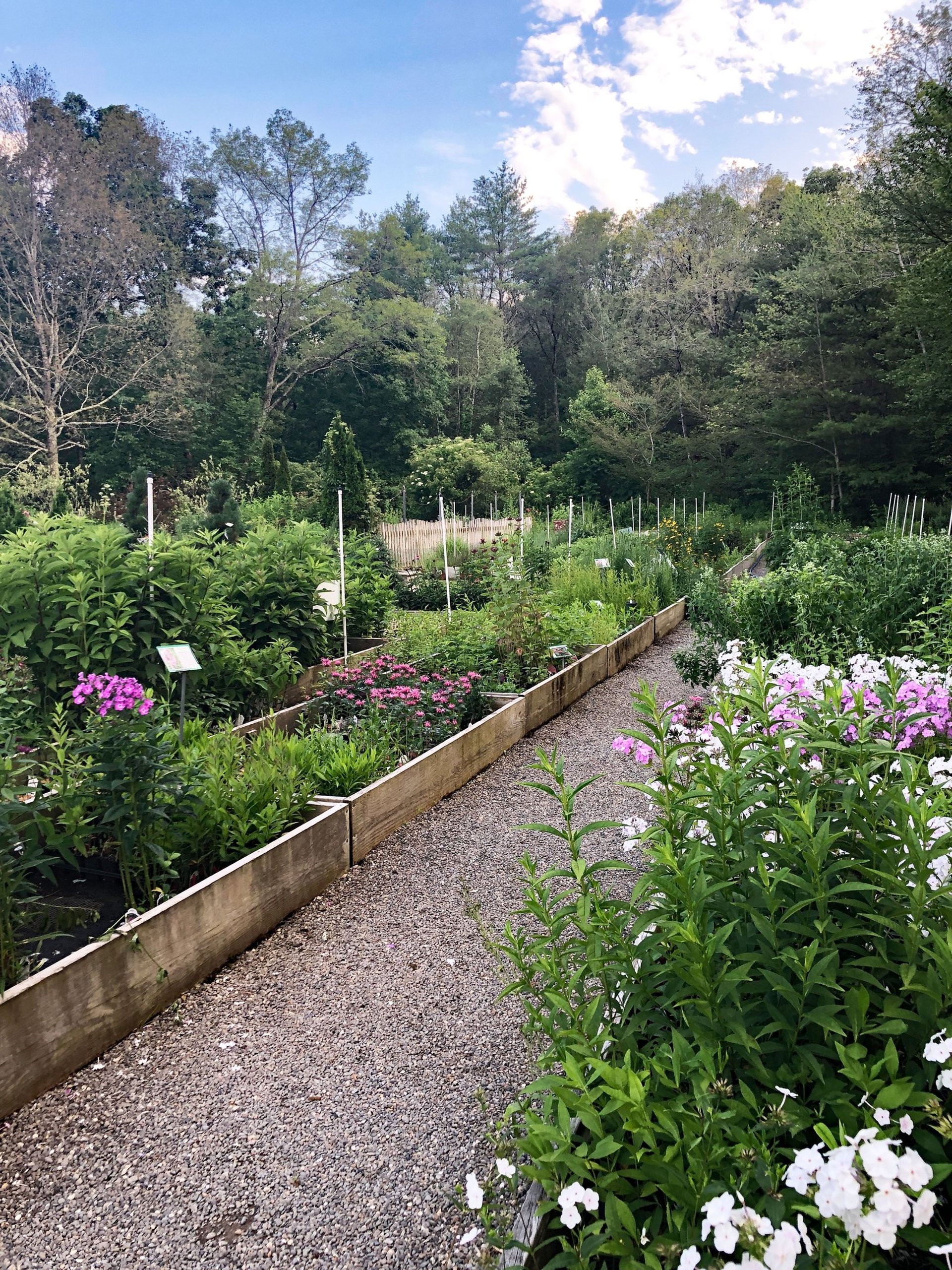
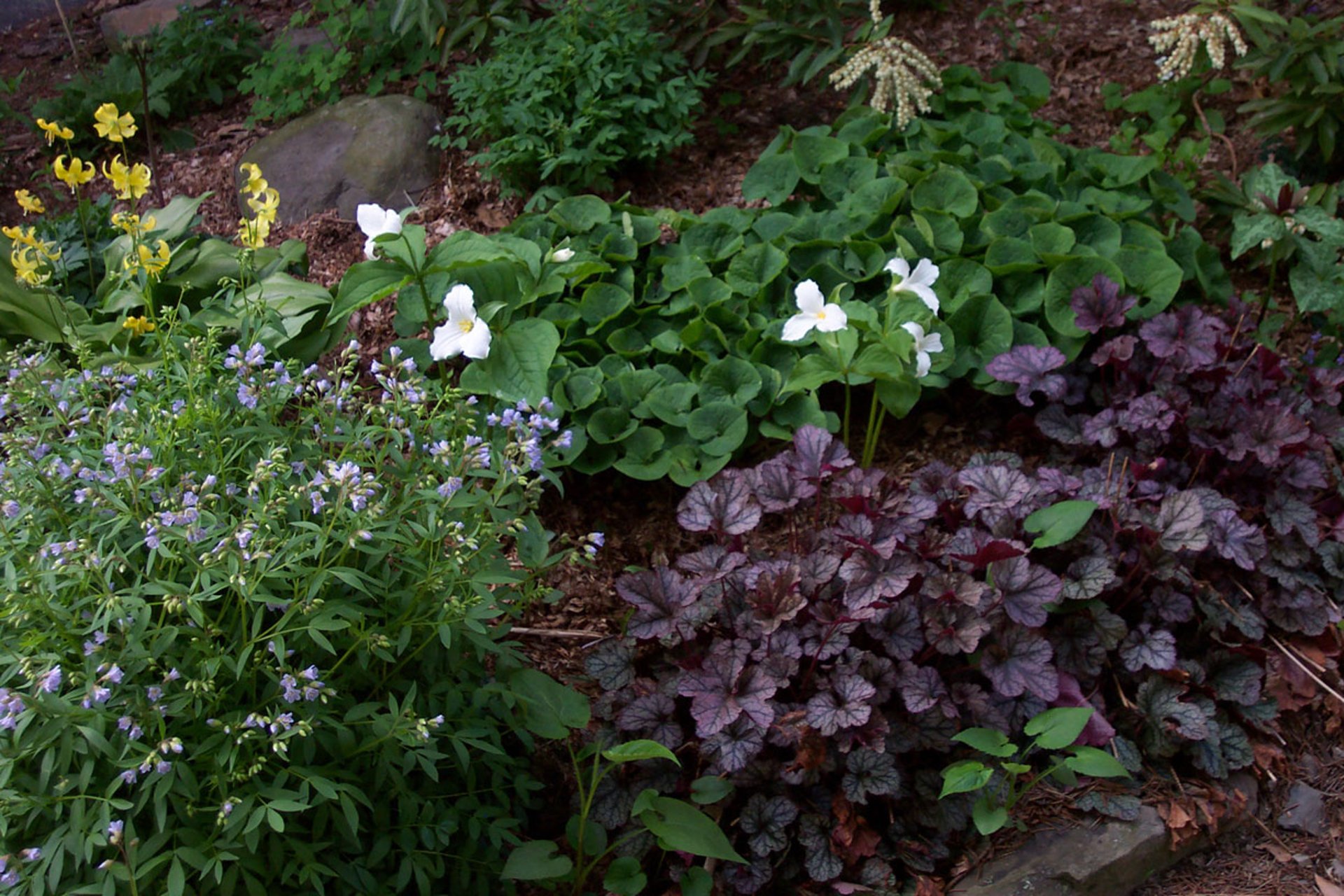
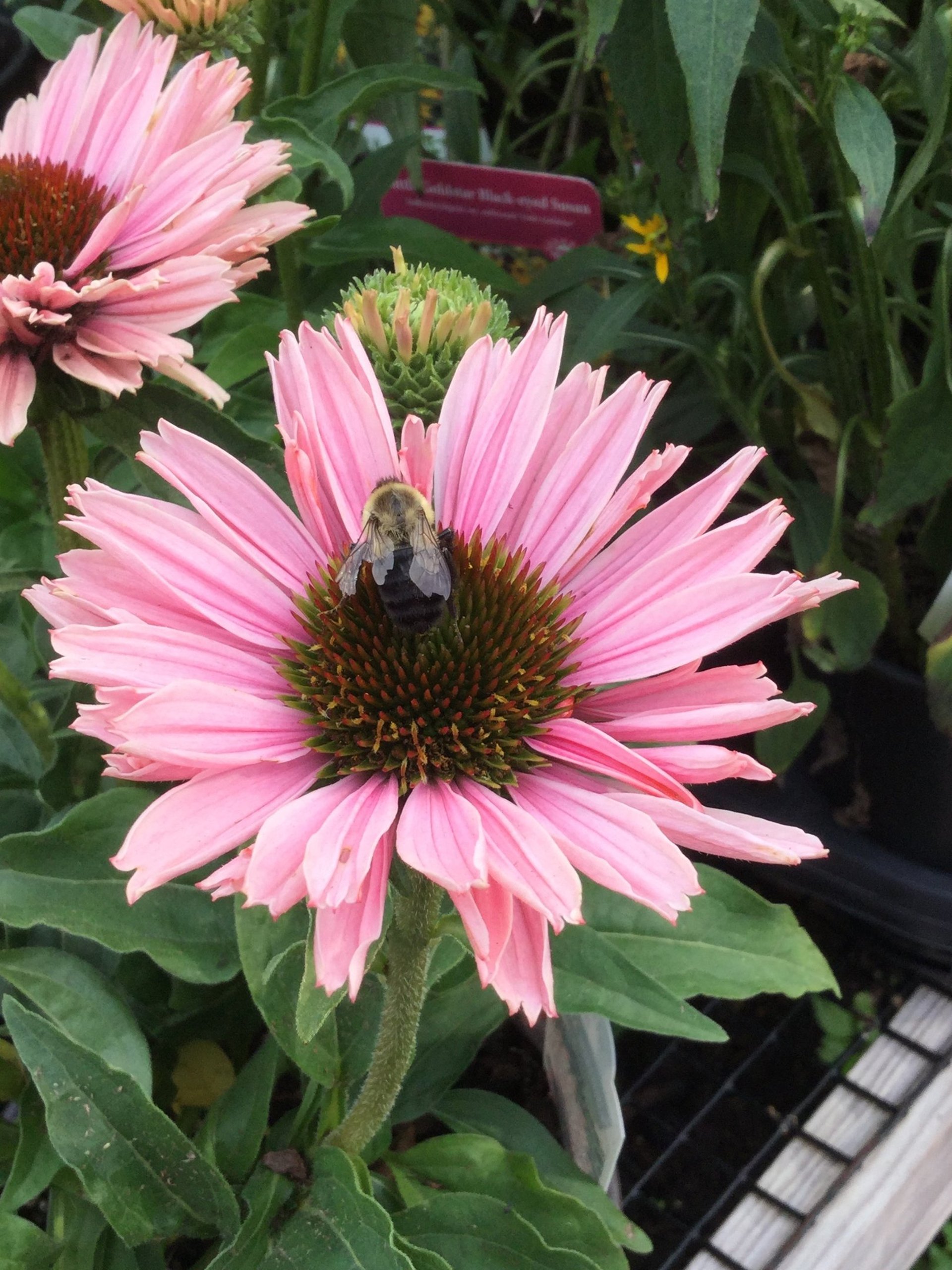
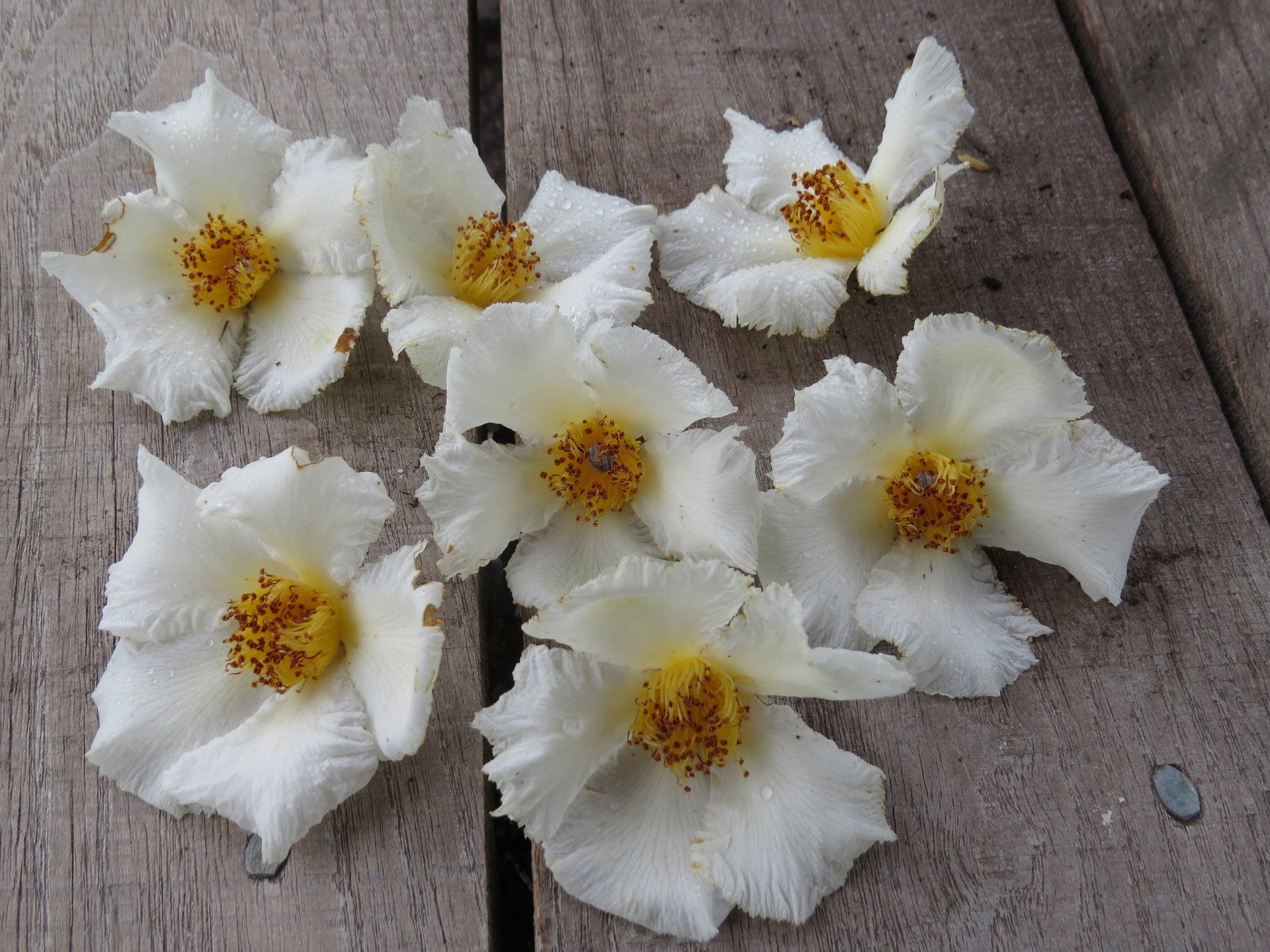
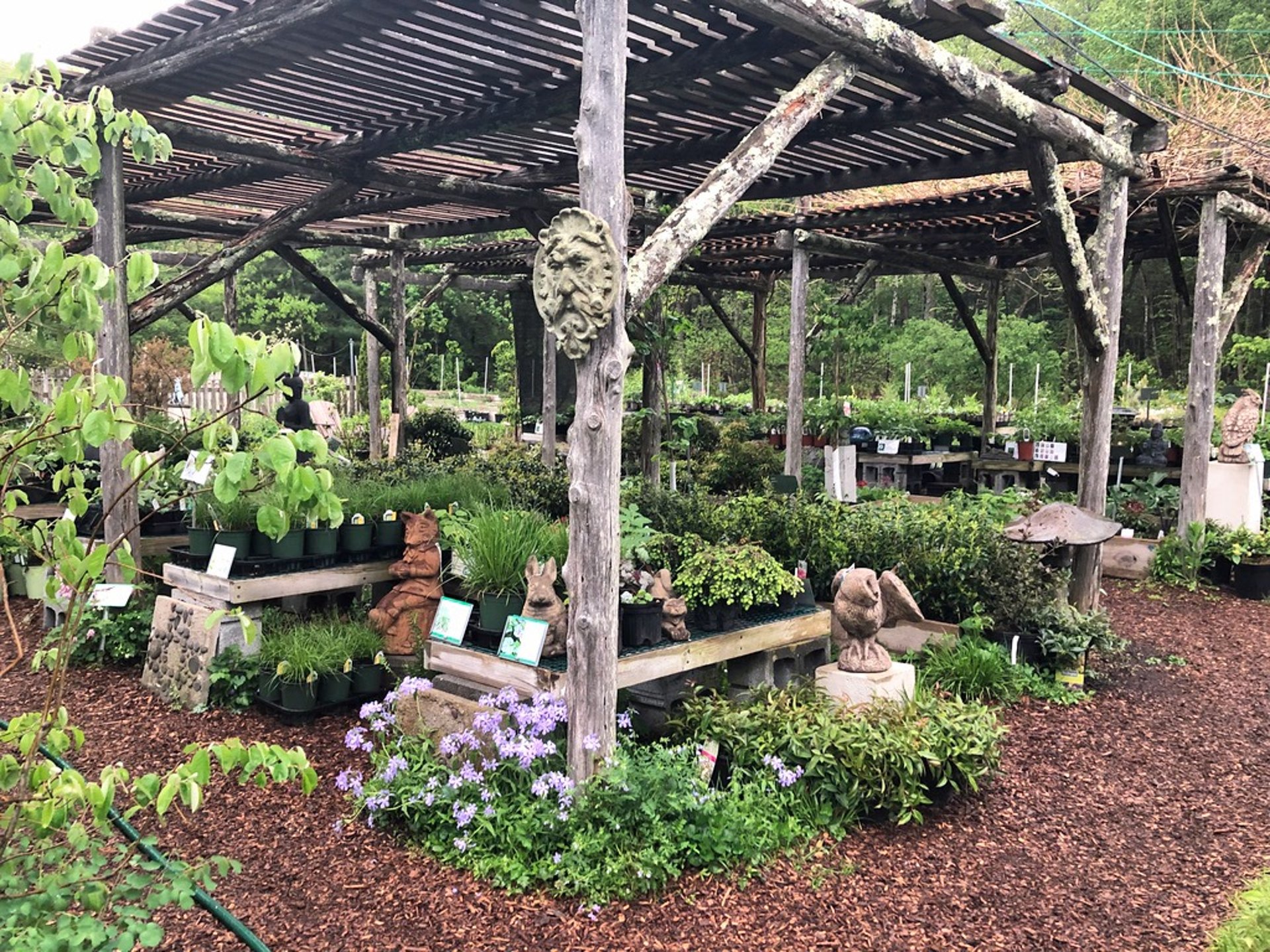
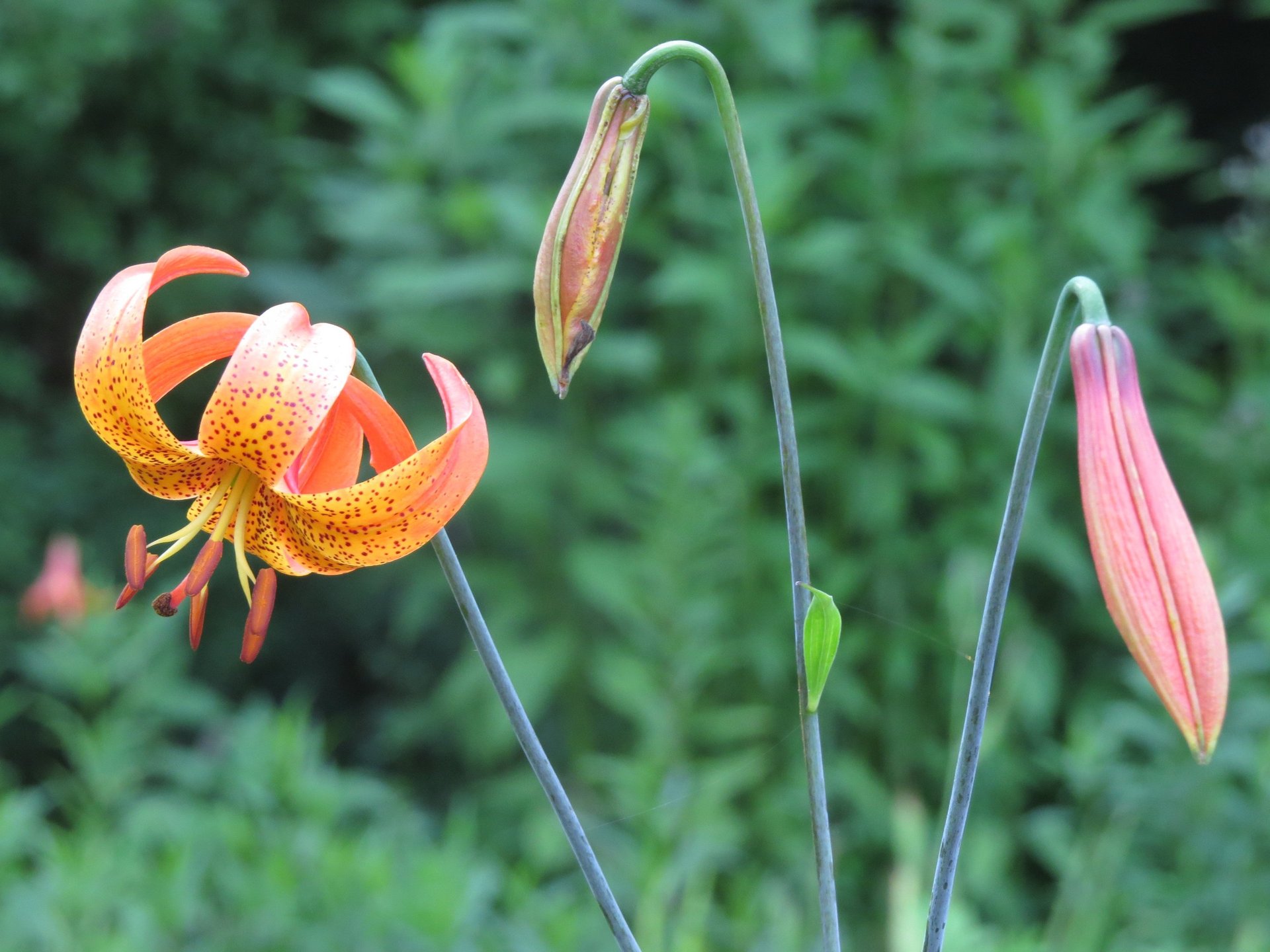
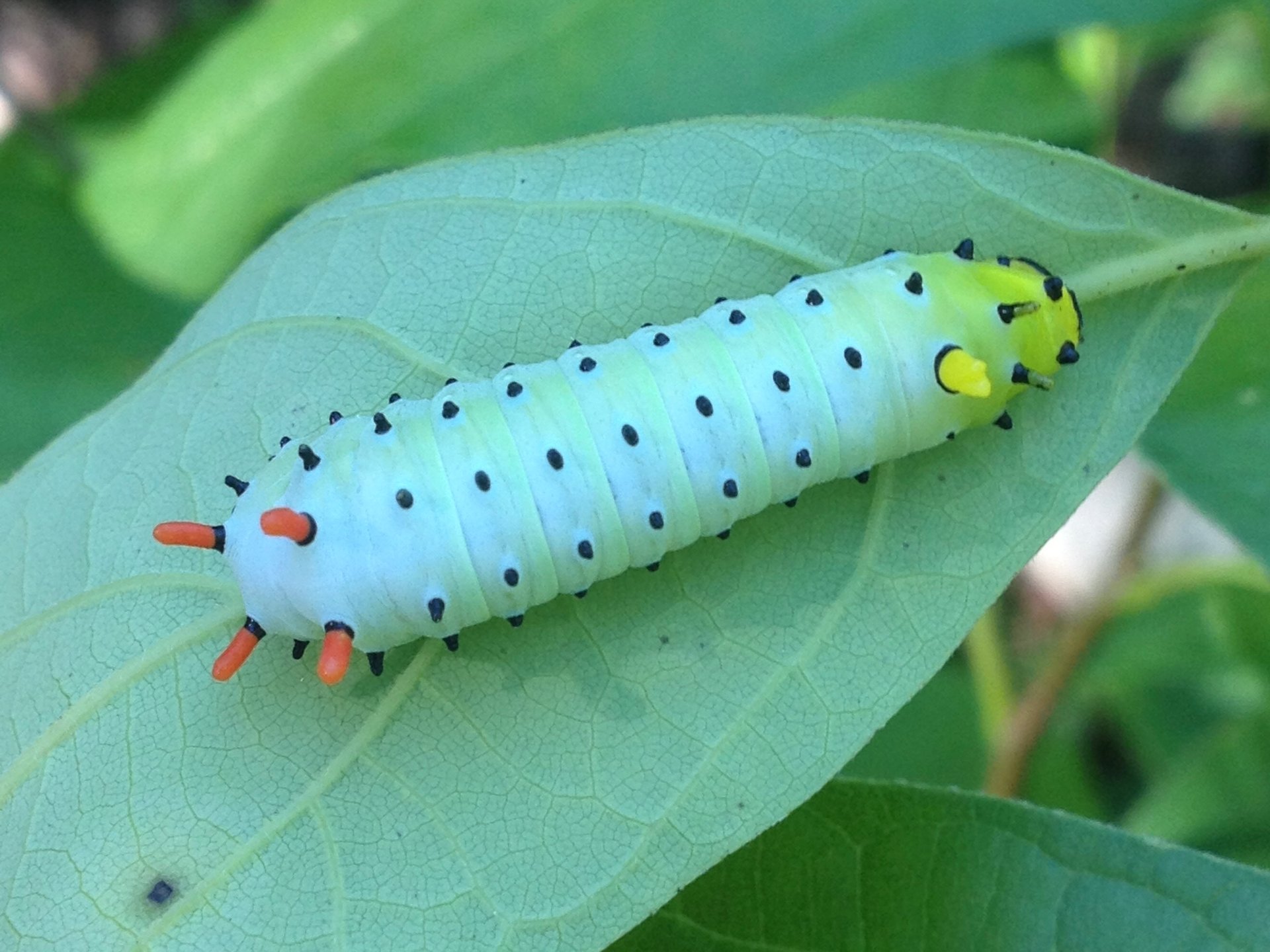
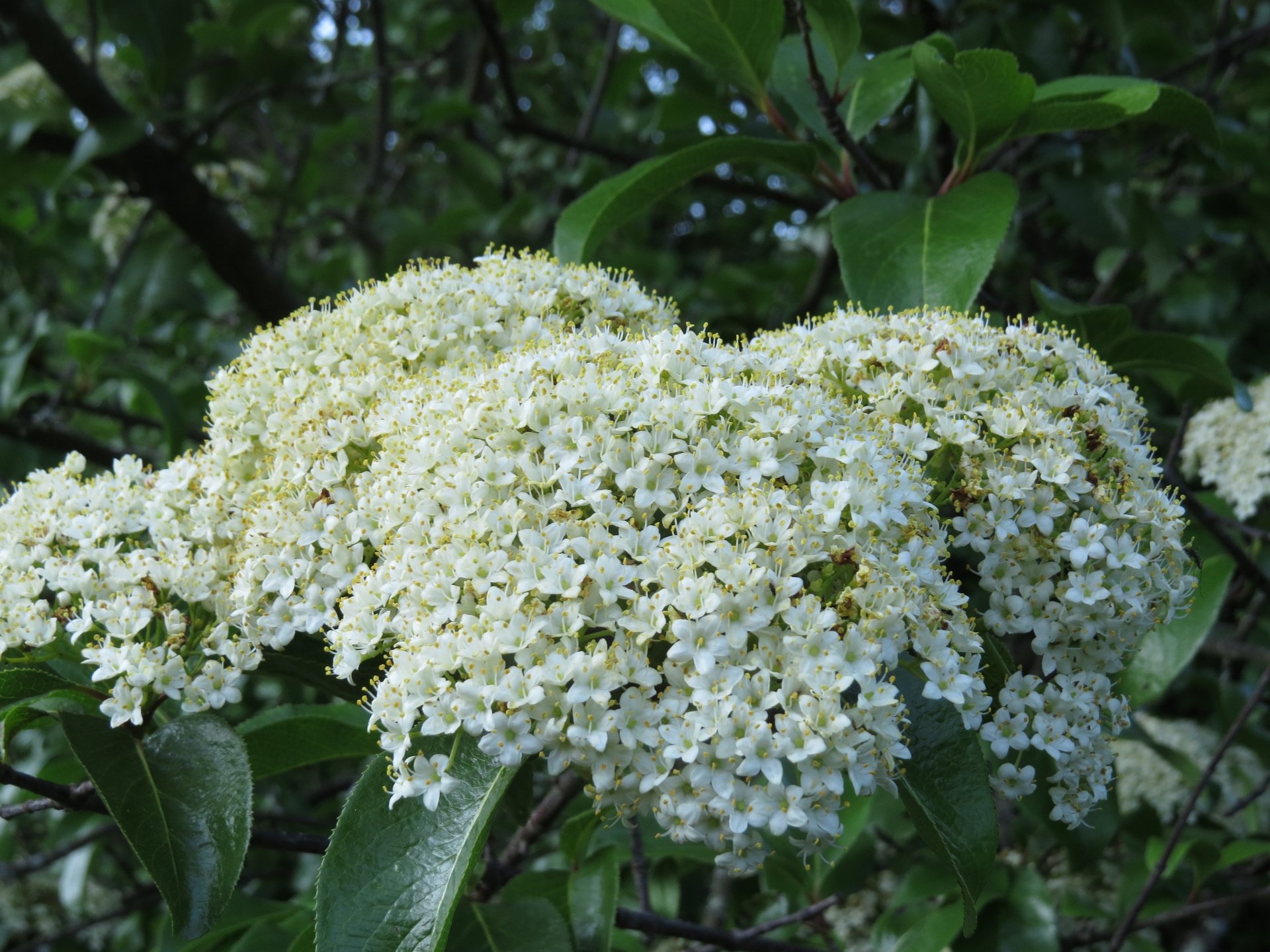
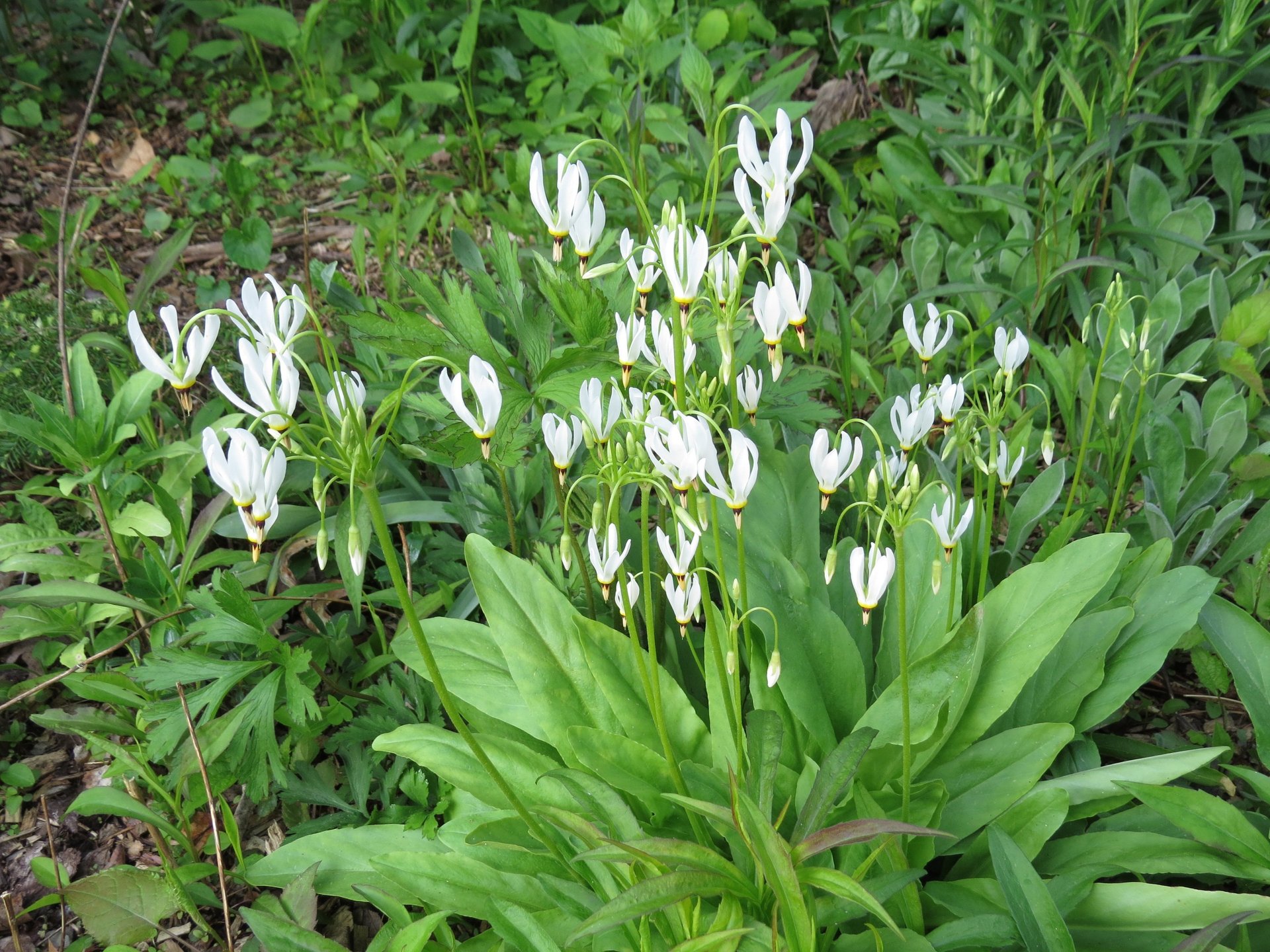

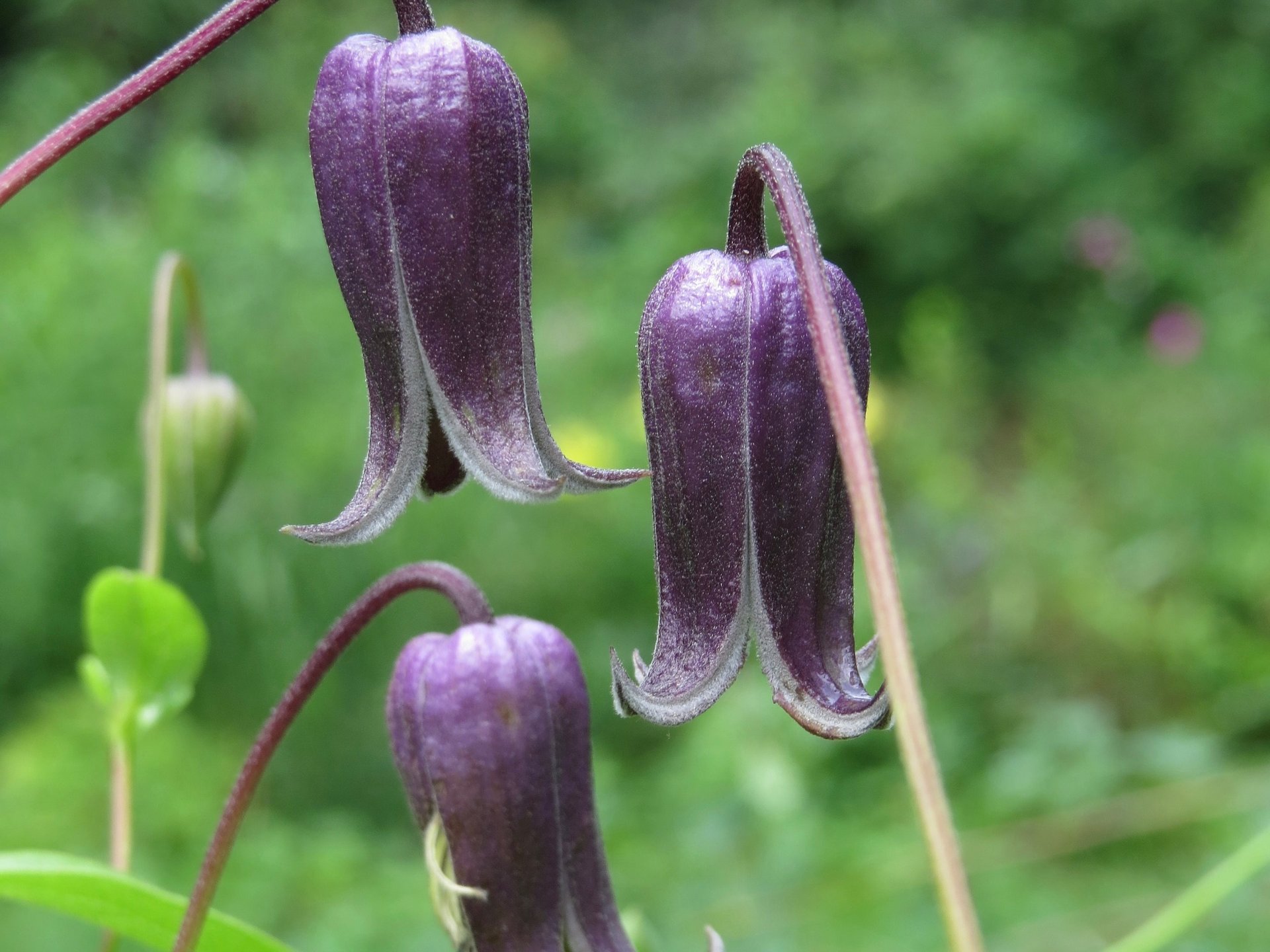
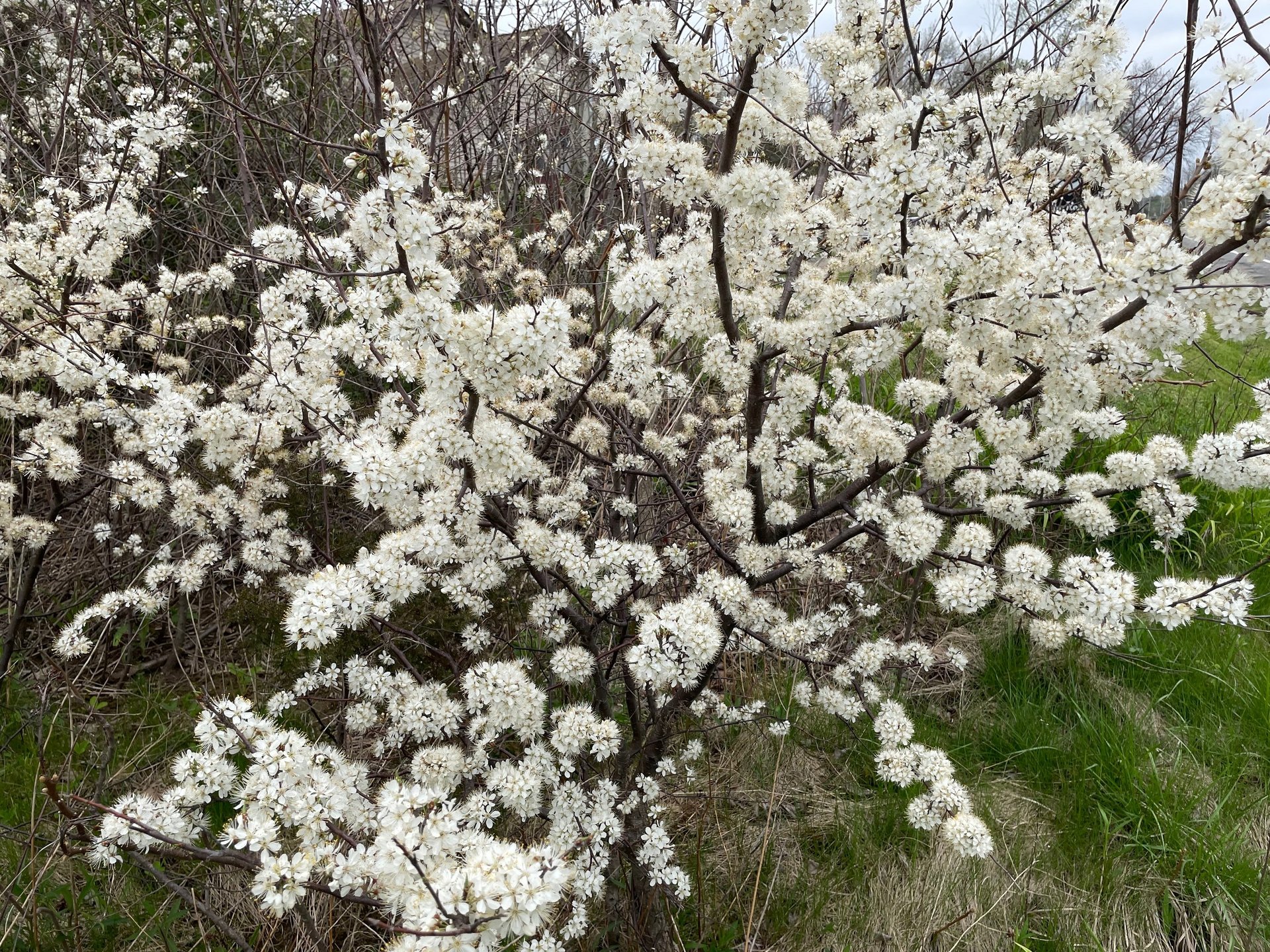
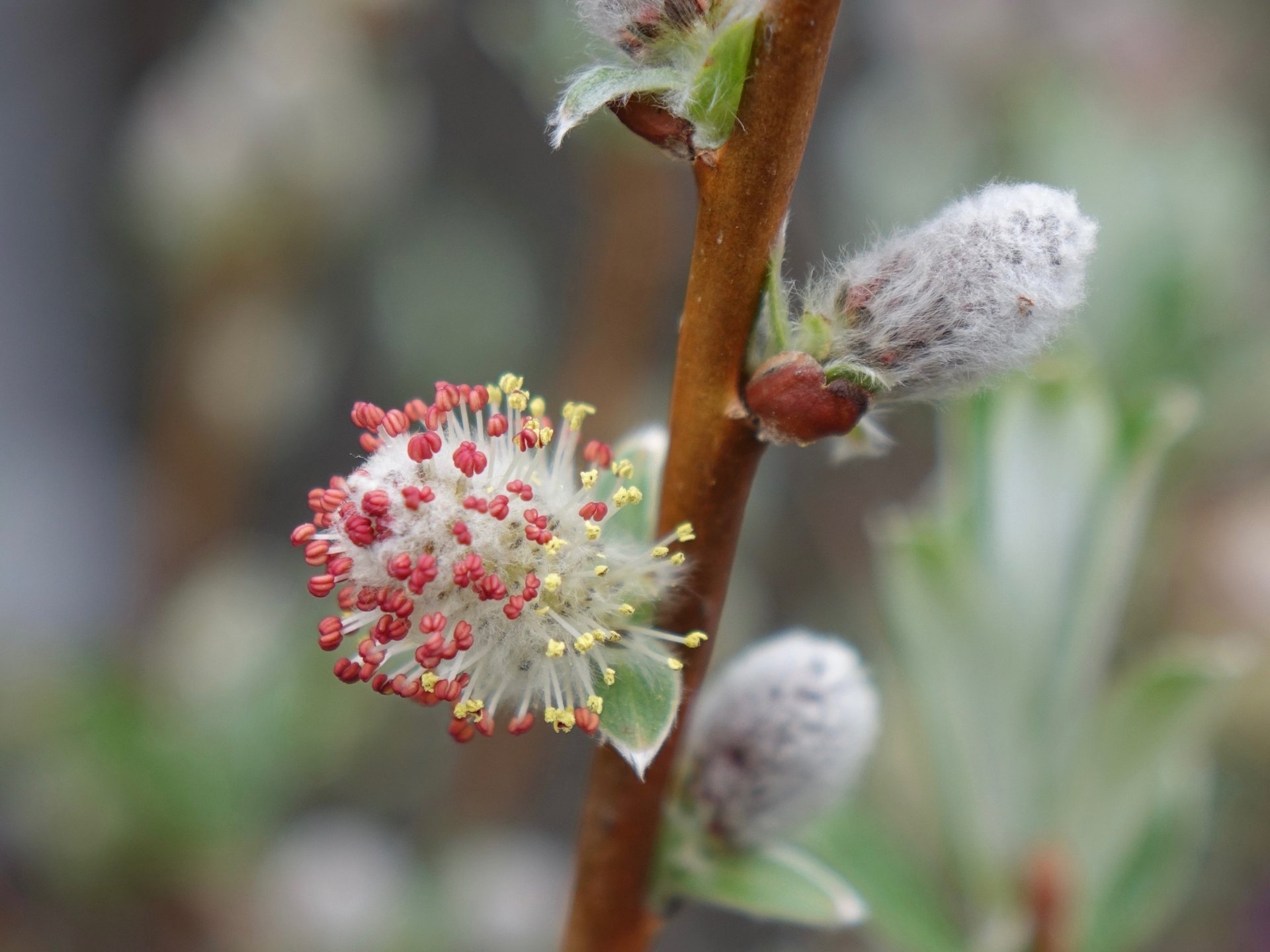
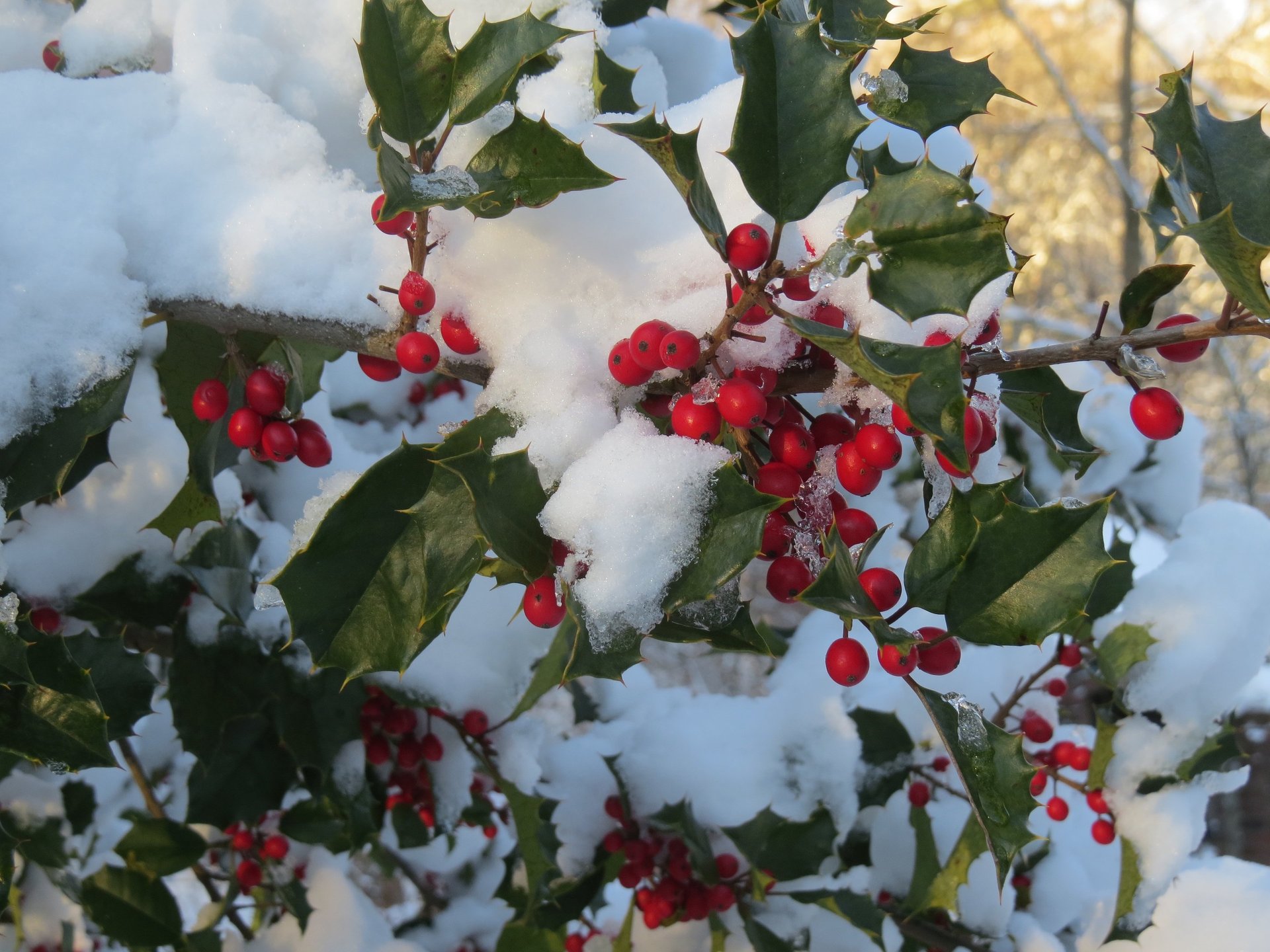
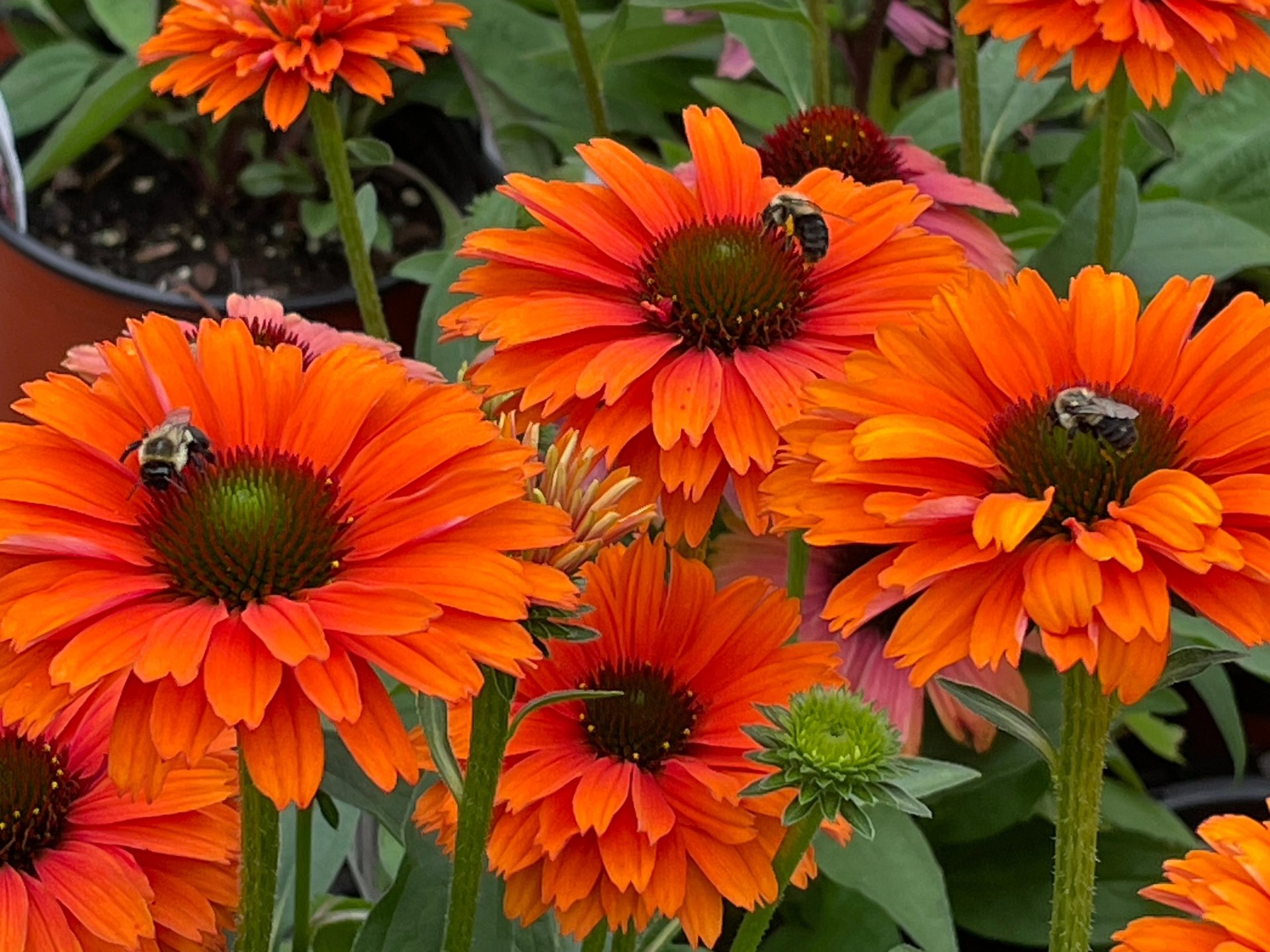
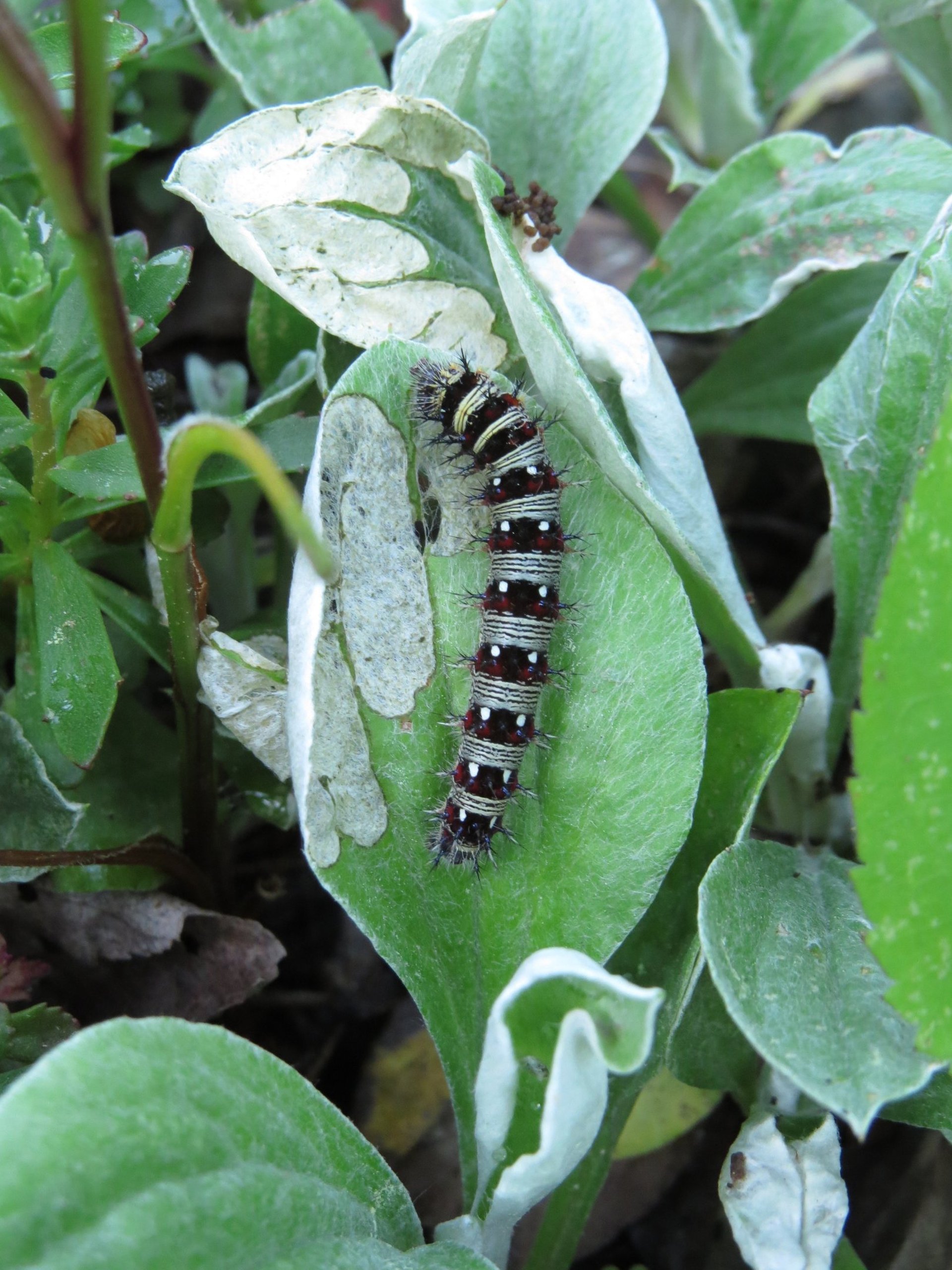
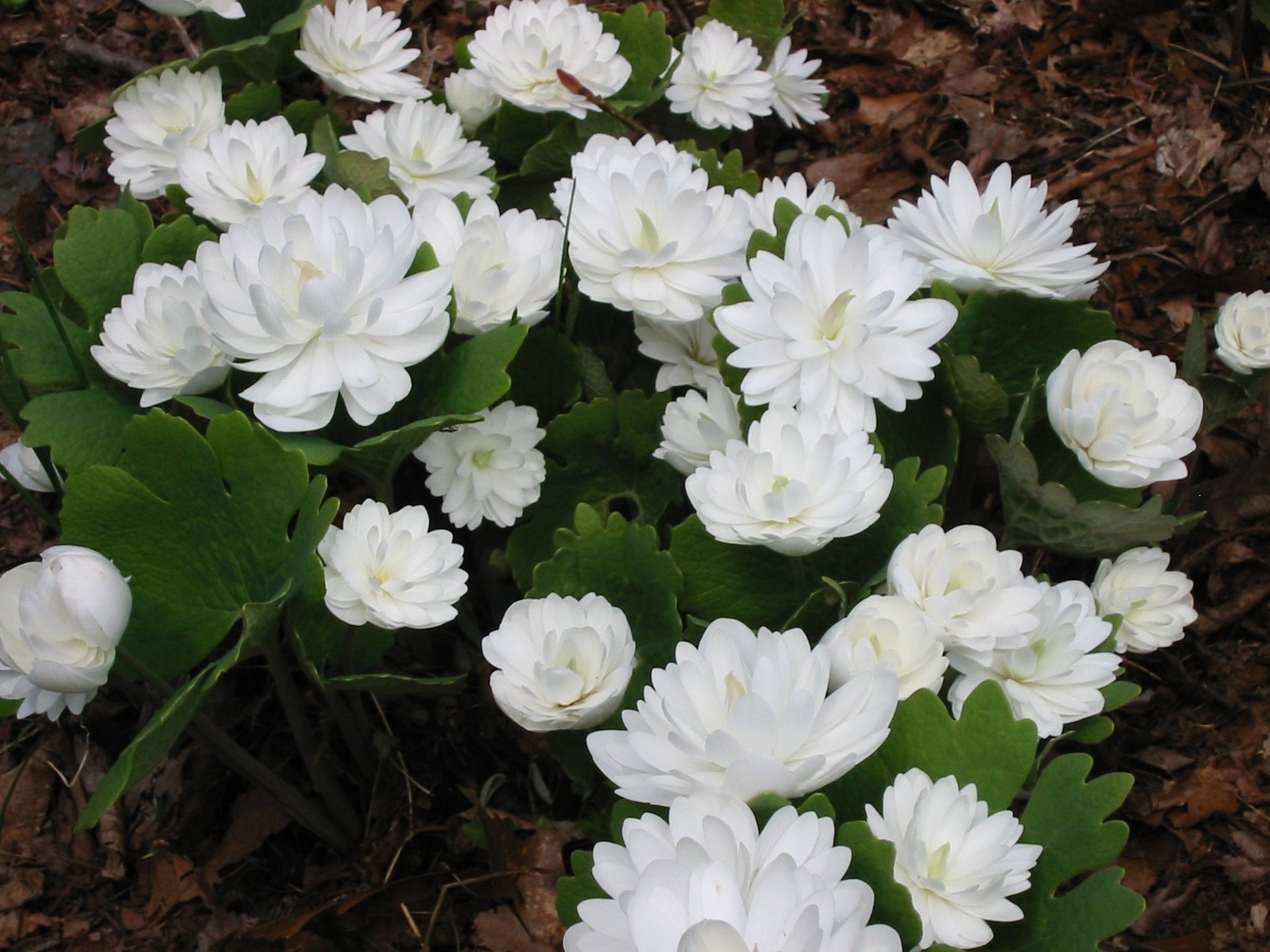
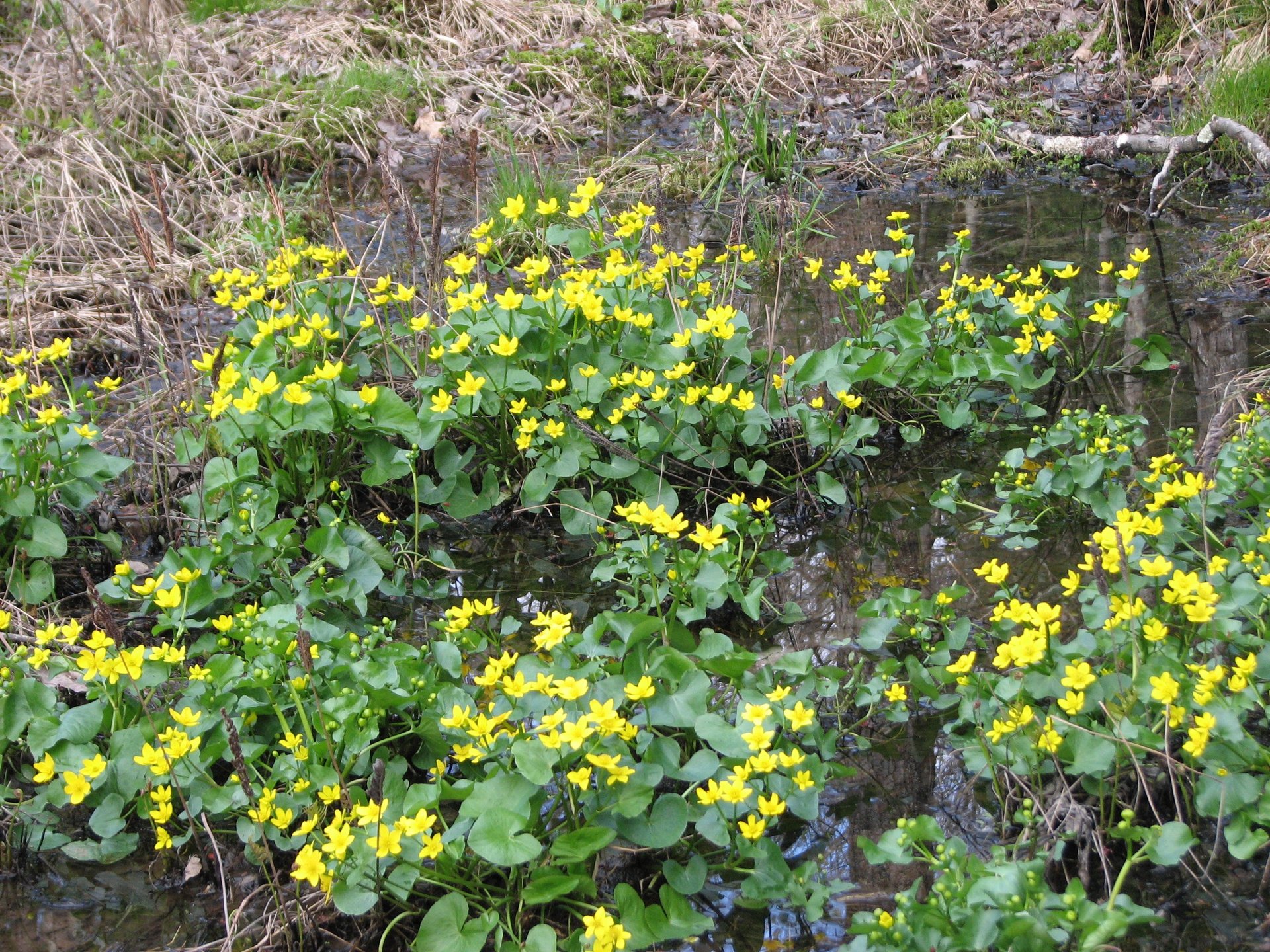
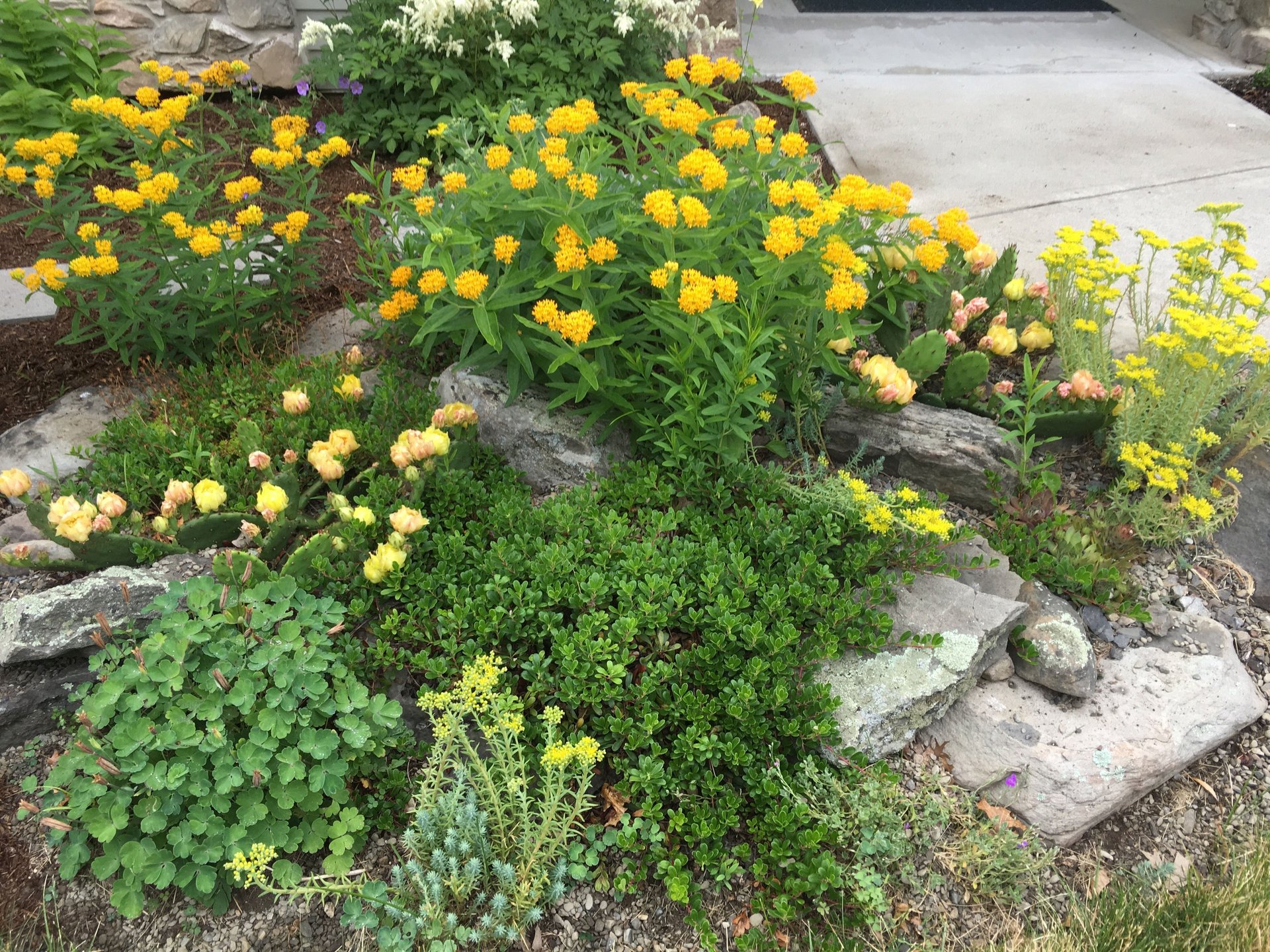
CATSKILL NATIVE NURSERY has been inspiring gardeners since 1999 to create biodiverse and remarkably ornamental gardens using plants native to eastern North America.
Hours: 9:30-6:00
Closed Tuesday & Wednesday
If a holiday falls on a day we are normally open, we are open. So yes, we are open Memorial Day, 4th of July and Labor Day.
607 Samsonville Rd, Kerhonkson, Ulster County, NY
For questions, please use the Get In Touch box at the bottom of each page.
Gift Certificates are available year round.
Gardening for a Better Environment
SIGN UP FOR OUR NEWSLETTER
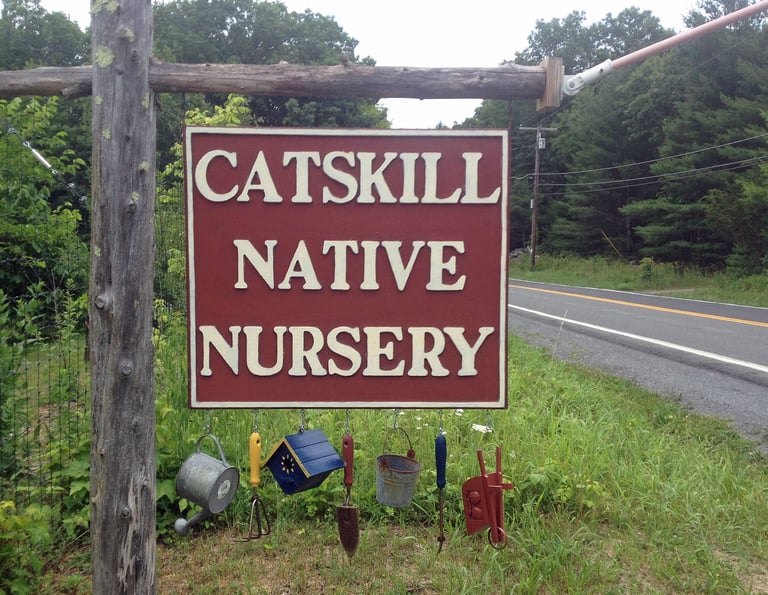
Directions to: 607 Samsonville Rd, Kerhonkson NY 12446
FAQS:
Do you have a catalog? We have a sister website with information on most of our plants and pictures of flowers and foliage – and occasionally pictures of examples of the specific plants we have available for sale. Keep in mind, the site is not exhaustive and the inventory status of a plant is not always accurate. Conversely, there may be plants available at the nursery that we haven’t yet published on the site. Use the site to get an idea of the range of plants we offer before coming to the nursery to shop. Enjoy! Click here to visit catskillnativenursery.info in a new tab. If you absolutely need to know if a particular plant is in stock, you need to call or email.
Do you ship plants? No, all plants must be purchased in the nursery. We do deliveries within Ulster County and possibly to neighboring counties.
Do you allow dogs? Well behaved, leashed or carried dogs are allowed in the nursery. Do not leave barking dogs in cars in consideration of our neighbors. We will judge you if you leave a pet in your car on a hot day, and we will do our best to make accommodations so your pet stays cool and safe.