|
|
||||||||||||||||||||||||||||||||||||||
|
|
||||||||||||||||||||||||||||||||||||||
|
|
||||||||||||||||||||||||||||||||||||||
|
|
||||||||||||||||||||||||||||||||||||||
|
|
||||||||||||||||||||||||||||||||||||||
![]() |
Looking like a giant astilbe, Goatsbeard, Aruncus dioicus, is a
spectacular native plant for moist, partly shaded spots. Here
it is growing at the side of a pond my brother and I built more
than 25 years ago.
|
|
||||||||||||||||||||||||||||||||||||
|
|
||||||||||||||||||||||||||||||||||||||
|
|
||||||||||||||||||||||||||||||||||||||
|
|
||||||||||||||||||||||||||||||||||||||
|
Deer-proof Plants?
|
|
|||||||||||||||||||||||||||||||||||||
|
Click on image for a larger view
|
|
|||||||||||||||||||||||||||||||||||||
|
|
||||||||||||||||||||||||||||||||||||||
|
|
||||||||||||||||||||||||||||||||||||||
|
Growing up in the Catskills in the
60’s & 70’s, deer were a rare site, and one in
which we took great pleasure. Times have changed and changed
dramatically. Deer have become the scourge of homeowner’s
ornamental gardens and few things are as discouraging as the
discovery that deer have paid you a visit, browsed their way
through your perennial beds and given your trees and shrubs an
uncalled for pruning. At the nursery, we are not immune,
although a combination of fencing (conventional and electric)
and dogs has greatly reduced our deer problem. One of the other
important options for the home gardener is the use of
deer-resistant plants. Lists of deer-resistant plants have
great utility, although they should never be thought of as
being 100% accurate. This is because deer choose plants based
on what is available, how hungry they are, and what time of
year it is. A plant that might have escaped one year may be
browsed the next year when less food is available to deer in
the wild.
Contribute to the Lists
I compiled the lists from whatever sources
came to my attention at the moment and some sources may be more
accurate than others. Because deer may have local browse
preferences these lists could become more useful if local
gardeners contribute to them. Let us know if a plant in your
garden is verifiably deer-resistant, or, contrary to a listing
here, one that deer feed on . Email us at info@catskillnativenursery.com.
I’ll add your information to the appropriate list and a
description to the Notes page. Much of
the information on deer-resistance so obtained will be
anecdotal not scientific, so just because a contributor feels
that, say, Cardinal Flower (Lobelia
cardinalis) is deer resistant
don’t necessarily assume it is. For example, a gardener
might wake up one morning and find that all the plants in the
garden have been eaten to the ground except for a patch of
Cardinal Flower. He or she concludes that Cardinal Flower is
deer resistant. The other possibility though is that the deer
were about to finish off the Cardinal Flower for dessert, but
at that moment were frightened away by a neighbor starting up
the old jalopy.
The lists are restricted to North American
native plants. So don’t assume that a plant that is not
listed here is not deer-resistant. Many non-natives, for
example daffodils, are highly resistant to deer. You’ll
have to consult original source material to find out if a
nonnative plant may or may not be deer resistant.
Finally, many sources simply list a genus
of plants as being deer resistant. One may assume that any
member of the genus is potentially deer resistant though many
may not be. For genus listings, I am in the process of listing
species within the genus. By doing this I hope to provide a
list of North American native plants that many of you may be
unaware of and, moreover, unaware of as potentially deer
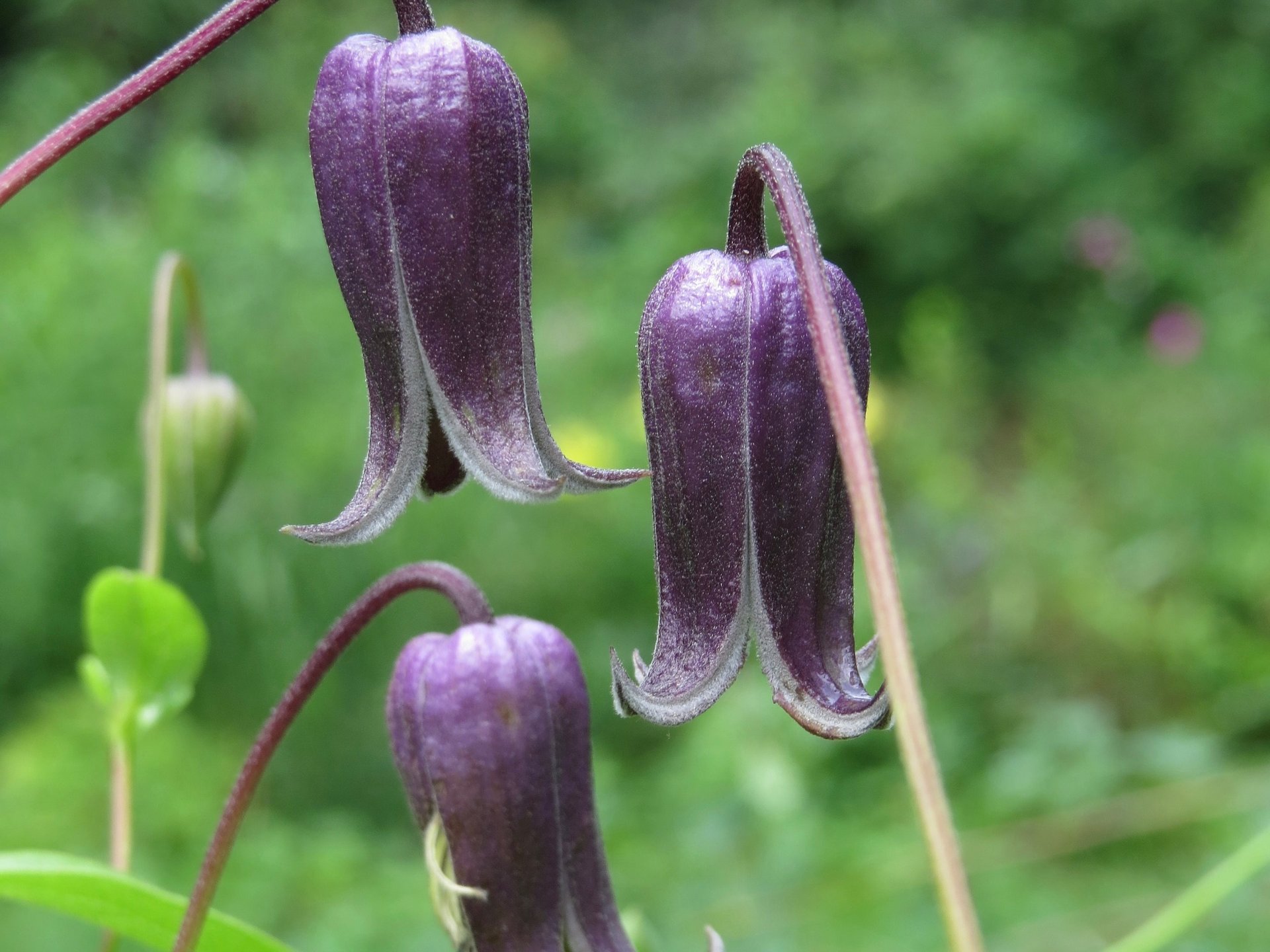
resistant plants. For example, many sources list Clematis as
deer-resistant (although it must be said that more than one
source also lists Clematis as a deer favorite. Which is it? Let
us know your own experiences.). If I just entered this as
“Clematis spp.” many of you would assume I was referring
to the commonly available large-flowered hybrid Clematis. But by
listing Clematis crispa, Clematis viorna, etc., you get to see that there are actually
native clematis species, and that they may be deer-resistant.
|
|
|||||||||||||||||||||||||||||||||||||
|
|
||||||||||||||||||||||||||||||||||||||
|
|
||||||||||||||||||||||||||||||||||||||
|
|
||||||||||||||||||||||||||||||||||||||
|
|
||||||||||||||||||||||||||||||||||||||
|
|
||||||||||||||||||||||||||||||||||||||
|
|
|||||||||||||||||||||||||||||||||||||
|
|
||||||||||||||||||||||||||||||||||||||
|
|
|||||||||||||||||||||||||||||||||||||
|
|
||||||||||||||||||||||||||||||||||||||
|
|
|||||||||||||||||||||||||||||||||||||
|
|
||||||||||||||||||||||||||||||||||||||
|
|
|
|
|
|
|
|
|
|
|
|
|
|
|
|
|
|
|
|
|
|
|
|
|
|
|
|
|
|
|
|
|
|
|
|
|
|
|
|